

SEO Migration

SEO Migration for Healthcare

For hospitals and healthcare organizations, a website is more than a digital presence—it is a critical patient-acquisition engine. Any redesign, domain change, or platform shift must be handled with extraordinary care, as even minor technical errors can affect search rankings, appointment flow, and patient trust. This is where SEO Migration becomes essential. At Healthcare Martech, we specialize in secure, structured, and high-precision SEO migrations tailored to the unique needs of the healthcare industry.

SEO migration ensures that when a hospital transitions to a new website or makes structural changes, all existing SEO value—rankings, traffic, backlinks, and patient-facing content—is preserved and enhanced. Without proper migration planning, hospitals risk losing visibility for crucial speciality pages, doctor profiles, treatment keywords, and local searches that drive OPD visits and enquiries.


Why SEO Migration Is Critical for Hospitals

Healthcare websites are large, complex, and ranking-sensitive. They often include:

  • 50–200+ specialty pages
  • Dozens of doctor profiles
  • Multiple locations
  • Emergency services
  • Technology & treatment pages
  • Blogs, guides, and patient stories

Any change in structure or content affects how Google crawls and interprets the site. Without a proper SEO migration strategy, hospitals could experience:

  • Ranking drops for speciality and “near me” searches
  • Loss of traffic from treatment-specific keywords
  • Broken pages and 404 errors
  • Decline in online appointments
  • Reduced visibility on Google Maps

Healthcare Martech ensures hospitals avoid these risks through a meticulous migration process rooted in data, technical expertise, and healthcare-specific SEO knowledge.


Our SEO Migration Framework

1. Pre-Migration SEO Audit
We begin with a deep audit of your existing website, covering:

  • Top-ranking pages
  • High-traffic specialties
  • Doctor profiles that drive appointments
  • Local keyword performance
  • Sitemap and crawling efficiency
  • Schema markup
  • Page-level authority
  • Backlink profile and referral sources

This audit serves as the foundation for the migration roadmap.

2. URL Mapping & Redirection Strategy
Hospitals cannot afford URL mismatches, especially for high-intent pages like “cardiology,” “emergency,” or “best pediatrician near me.” We create:

  • 1:1 URL mapping
  • Permanent 301 redirects
  • Canonical validation
  • Removal of duplicate URLs
  • Preservation of backlink authority

This ensures Google cleanly transfers ranking value to the new site.

3. Technical Health & On-Page Optimization
Before launch, we optimize:

  • Metadata for specialities and doctors
  • Schema for hospitals, physicians, FAQs, and treatments
  • Mobile-first performance
  • Core Web Vitals
  • Internal linking between specialities and doctors
  • Breadcrumbs and navigation hierarchy
  • Crawlability, sitemaps, and robots.txt
  • Image optimization for medical visuals

This ensures search engines can read the site clearly from day one.

4. Migration Testing
We test:

  • All redirects
  • Page speed
  • Form submissions and appointment flows
  • Indexing behaviour
  • Local SEO signals
  • Map listings
  • Tracking scripts and analytics

Nothing goes live without quality assurance.

5. Post-Migration Monitoring
After launch, Healthcare Martech monitors:

  • Keyword positions
  • Index coverage
  • Traffic patterns
  • Map pack visibility
  • Patient enquiry and appointment flow
  • Crawl errors in GSC
  • User behaviour and drop-off points

Any ranking volatility is corrected immediately.

30+

Years Experience

160+

Satisfied Clients

90%

Retention Rate

100%

Transparency

Have a Query

We’ve 00+ satisfied customers with our services. Let’s Get Started

Know What Patients Are Looking For?

Optimize your digital presence with data-driven healthcare marketing strategies.

Our Testimonials

Voices That Inspire Us

Delivering Digital Success

For Our Healthcare Client

or Call +91 9717460207

Our Recent Work

Delivering Excellence Through Digital Strategy

  • All
  • Website
  • SEO
  • Graphics & Social Media
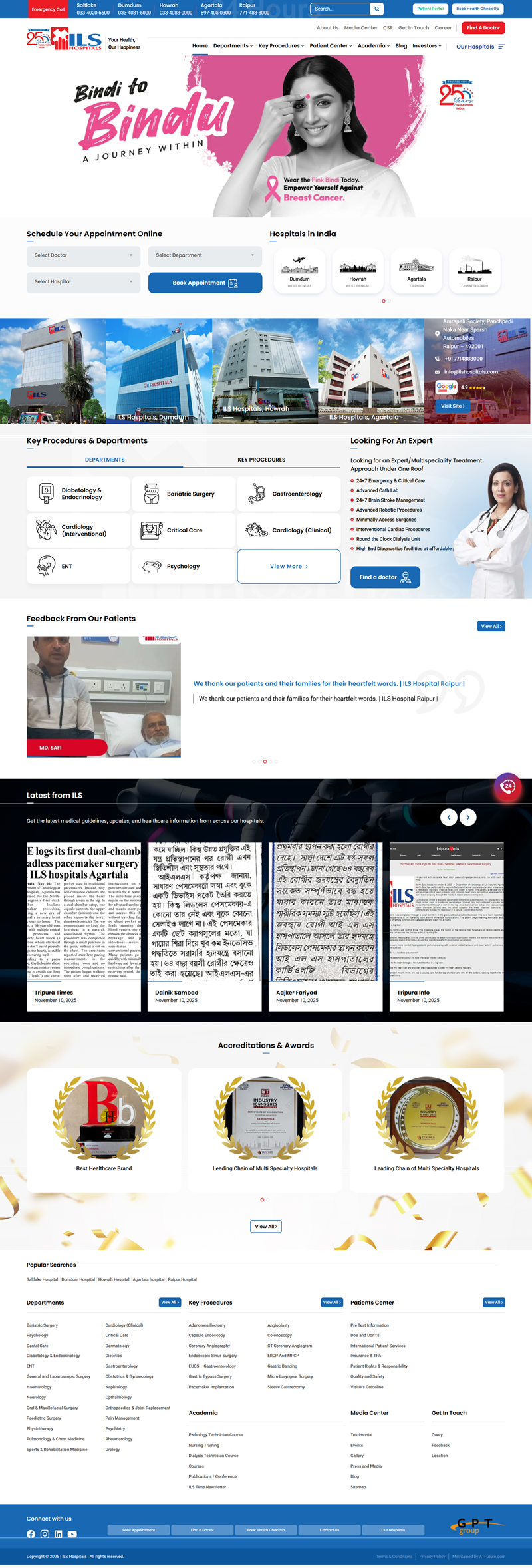
ILS Hospitals

ILS Hospitals

KIMSHEALTH

KIMSHEALTH

KIMSHEALTH

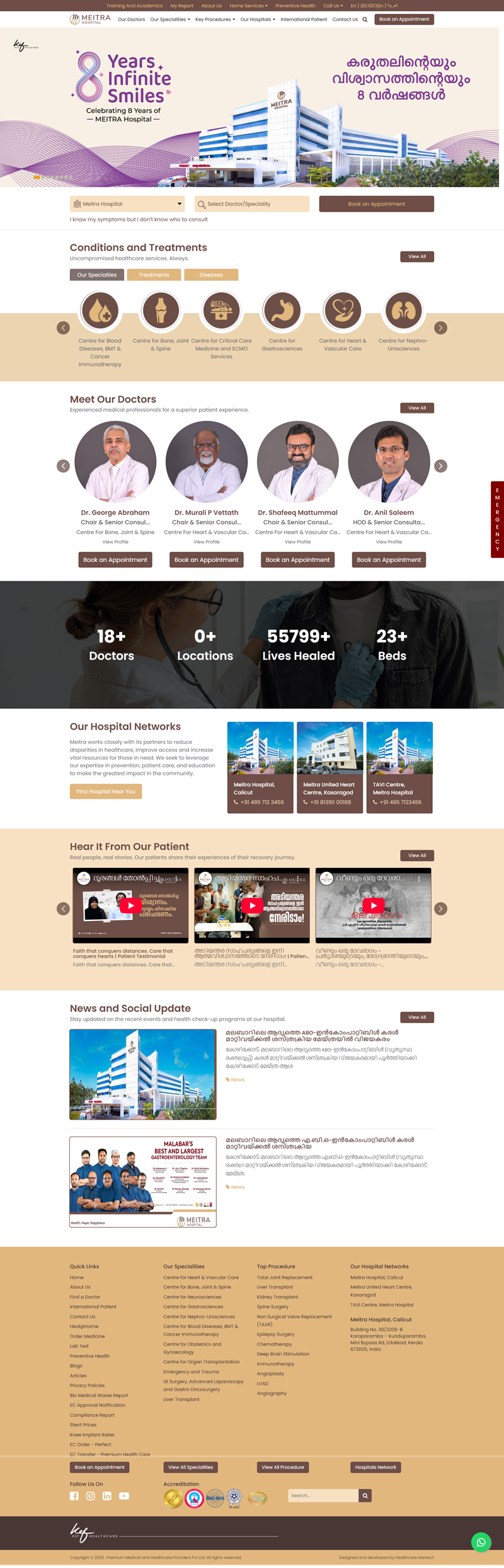
Meitra

Meitra

Meitra

FAQ

Your Queries, Simplified

What is SEO migration and why is it important?

SEO migration is the process of transferring a website from one structure, domain, platform, or CMS to another while preserving and ideally improving search engine rankings and organic traffic. It’s crucial because even small technical mistakes during migration can cause traffic loss, broken pages, and ranking drops. SEO migration ensures a smooth transition with minimal disruption to visibility and patient acquisition.

What types of website changes require SEO migration?

Several major website changes trigger the need for SEO migration, including:

  • Moving to a new domain or subdomain
  • Changing CMS platforms (e.g., WordPress to a custom CMS)
  • Redesigning the website or URL structure
  • Consolidating multiple websites
  • Switching from HTTP to HTTPS
  • Multi-location site restructuring

Any significant structural or technical change demands SEO safeguards to prevent performance loss.

What are the key steps involved in SEO migration?

A successful migration includes:

  • Pre-migration SEO audit
  • URL mapping and redirect planning
  • Benchmarking current rankings and traffic
  • Creating a staging environment
  • Updating metadata, schema, and internal links
  • Implementing 301 redirects
  • Post-migration testing and monitoring
  • Fixing crawl errors, broken links, and performance issues

These steps protect SEO equity and ensure search engines correctly understand the new structure.

How long does SEO migration take and when do results stabilize?

The entire migration process typically takes 1–2 weeks, depending on site size, complexity, and technical requirements. After launch, search engines may take 20-40 days to fully re-crawl and re-index the new structure. Ongoing monitoring during this period is essential to identify ranking fluctuations, indexing issues, and traffic drops.

How do you measure success after an SEO migration?

Post-migration success is measured through:

  • Organic traffic recovery and growth
  • Stable or improving keyword rankings
  • Increased indexing of new URLs
  • Reduced crawl errors
  • Improved Core Web Vitals and site speed
  • Lead and appointment flow consistency

If these metrics remain strong or improve, the SEO migration is considered successful.